Why You Still Can’t Sleep After COVID: Covert Insomnia Nobody Warned You About
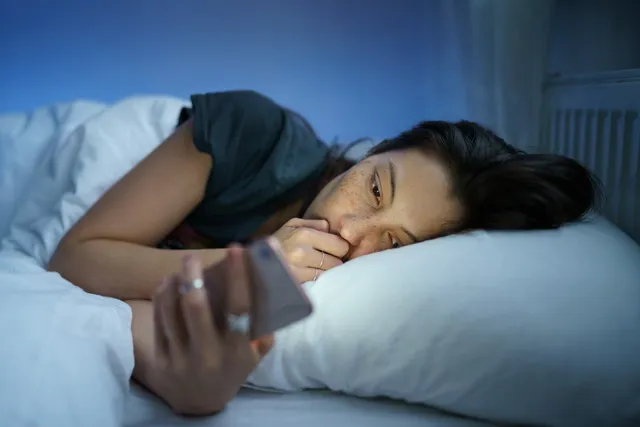
You kicked COVID-19 like a champ. Maybe months ago, or even years ago. But you’re still lying there, awake at 3 AM, staring at the ceiling, wondering why your sleep hasn’t bounced back.
You’re not alone. And it’s not in your head.
New research from Vietnam showed something doctors aren’t talking about enough: three out of four people who had COVID develop insomnia that sticks around long after the virus clears. Not mild sleep trouble. Real insomnia. The kind where you can’t fall asleep, can’t stay asleep, and wake up exhausted no matter how long you’re in bed.
Huong Thi Xuan Hoang and her research team at Phenikaa University studied over 1,000 COVID survivors who never needed hospitalization. These weren’t people in ICUs fighting for their lives. Just regular folks who had COVID, recovered at home, and moved on with their lives. Or tried to.
Six months after recovery, 76% still had insomnia. Nearly one in four had severe insomnia.
Your Sleep Changed, and Nobody Explained Why
About a third of the study participants reported that their sleep quality had worsened after COVID. Not “a little worse.” Genuinely worse. Shorter sleep duration. Harder to fall asleep. And here’s the kicker: over half reported waking up more frequently during the night than they did before getting sick.
Your brain remembers waking up at night before COVID, sure. But now? You’re awake three, four, five times. Every night. For months.
The study found something interesting about perception. Two-thirds of people scored high enough on insomnia tests to qualify for clinical insomnia. But only one-third felt their sleep had actually gotten worse since COVID.
What gives?
Insomnia messes with how you perceive sleep. You might be getting less deep sleep—the restorative kind your brain needs—without fully realizing it. You underestimate how long it takes you to fall asleep. You overestimate how much you actually slept. Your brain’s internal clock gets scrambled, and you can’t trust your own assessment anymore.
Depression and Anxiety: The Real Culprits
Here’s where the research gets really important. COVID symptoms? Didn’t predict insomnia. How long have you had COVID? Didn’t matter. Whether you felt sick or barely noticed you were infected? Made no difference.
What predicts insomnia? Depression and anxiety.
People with depressive symptoms had 3.45 times higher odds of developing insomnia after COVID. People with anxiety symptoms? 3.93 times higher odds. These aren’t small effects. Depression and anxiety basically guarantee sleep problems will follow.
And here’s the vicious part: COVID increases your risk of developing depression and anxiety in the first place. Being sick, isolated, worried about health, watching the world shut down around you—all of that creates psychological strain. Then the psychological strain wrecks your sleep. Then poor sleep makes the depression and anxiety worse. Round and round.
The study found strong correlations between all three symptoms. Insomnia, depression, and anxiety cluster together. You rarely get one without the others showing up.
Who’s Most Vulnerable?
People with pre-existing chronic conditions faced nearly three times higher odds of post-COVID insomnia. If you already had cardiovascular disease, diabetes, or other health issues before getting infected, your sleep took a bigger hit.
Interestingly, healthcare workers didn’t show significantly higher rates of insomnia than other professions in this study. The researchers suspected timing—by 2022, when the survey ran, the pandemic had settled enough that healthcare workers weren’t under the same crushing stress as earlier waves. But people in other professions might have been dealing with the whiplash of returning to offices after working from home, creating new sleep disruption.
Marital status made a difference, too. Single or divorced people had higher insomnia rates, which tracks with broader insomnia research. Having a partner seems to provide some buffer, though it’s unclear whether that’s emotional support, routine stability, or something else.
What Actually Helps
The study didn’t test treatments, but the researchers pointed to existing evidence on what works for the insomnia-depression-anxiety cluster.
Insomnia and anxiety medications come with side effects and the risk of dependency, so they’re not ideal long-term solutions for most people. Some people need them temporarily to break the worst of the cycle. Just know they’re tools, not permanent fixes.
Cognitive behavioral therapy for insomnia (CBT-I) is touted as a miracle cure for insomnia, but we’ve drilled down and discovered the relapse rate over 1 year was an astounding 83%. The other red flag is that a recent study showed that the CBTi behavior modification model didn’t reduce cardiovascular harm caused by long-term insomnia. People may have changed their behavior and outlook about insomnia, but underlying damage was still moving forward.
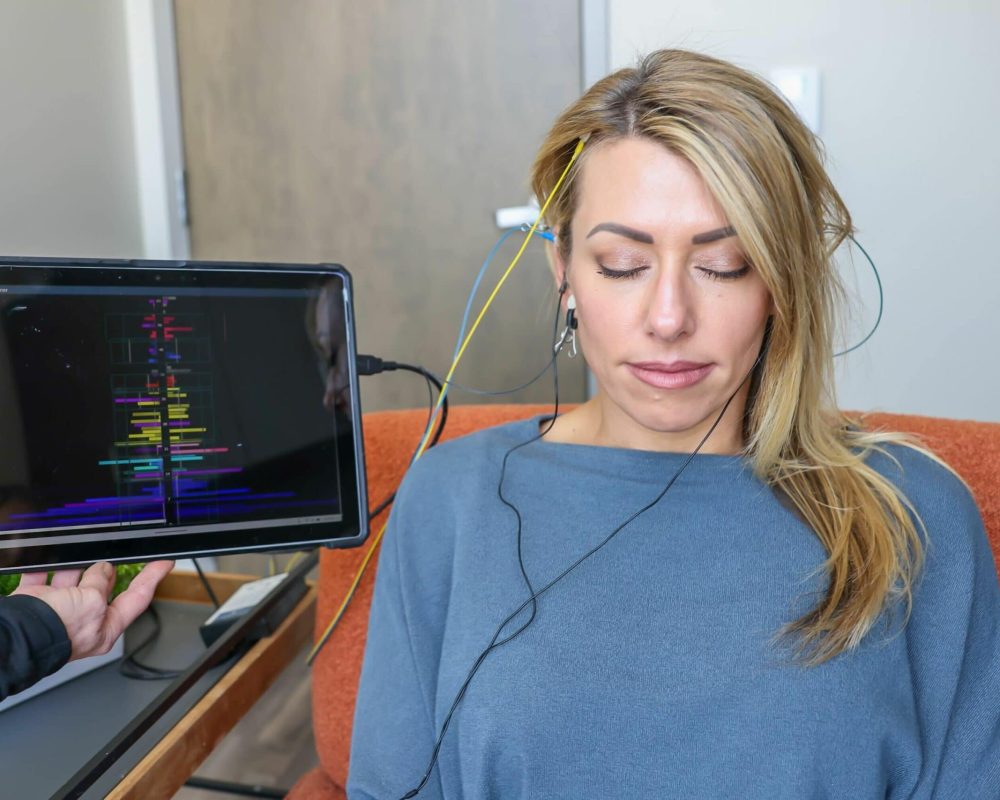
Some people find long-lasting relief through brainwave entrainment, which helps their brains learn to recognize their own EEG brainwave instabilities and, over 10 to 15 sessions, can self-correct and return to normal, healthy sleep.
Why Your Doctor Might Not Have Mentioned It
Post-COVID insomnia doesn’t show up on standard recovery checklists. Doctors ask about breathing problems, fatigue, and brain fog. They don’t routinely screen for sleep quality. And patients don’t always volunteer the information, especially when they’re not sure if it’s related to COVID or just stress.
But the research is detailed. Long COVID isn’t just lung damage and fatigue. For most people who weren’t hospitalized, the lasting impact shows up as insomnia, often paired with depression and anxiety.
Understanding the connection matters. If you’re six months past COVID and still sleeping terribly, you’re not weak. You’re not imagining it. You’re experiencing a documented, measurable consequence of infection that affects three-quarters of survivors.
What You Can Do Right Now
Start tracking your sleep. Not obsessively, but enough to notice patterns. How long does it take to fall asleep? How many times do you wake up? How do you feel in the morning?
If you’d like more details, buy a used Fitbit Charge 5 on eBay. (About 50.00 bucks). It will give a nice report on how long you were in deep, dream, and intermittent stages of sleep. You can call us for free, and we can go over your reports with you.
Also, talk to your doctor. Specifically mention post-COVID insomnia. Ask about screening for depression and anxiety. The more your medical team understands the connection, the better they can help.
Just know that insomnia after COVID is common. Extremely common. You’re part of a huge group of people dealing with the same thing. The fact that nobody’s talking about it doesn’t mean it’s rare or unimportant.
Your sleep matters. And it can get better.
Sleep Recovery’s Approach
Sleep Recovery addresses post-COVID insomnia through FDA-approved brainwave entrainment. We’ve worked with many clients whose sleep problems started after COVID-19 infection. Our approach targets the hyperarousal and anxiety that often underlie persistent insomnia, helping your brain relearn normal sleep patterns without medication.
For folks who got hit harder with COVID, it’s not uncommon to have experienced “fear-of-dying trauma. Alpha-theta neurofeedback training for all levels of PTSD can help calm the heightened stress response that COVID often leaves behind.
Not sleeping well can cause a whole list of physical issues, but the most painful is losing hope. It’s most important, above all else, that you feel like you’re being heard. Insomnia and loneliness are bad company.
If you or a loved one is struggling, there’s real help available.
For more info on Sleep Recovery’s programs, please visit: https://sleeprecovery.net or call 800-927-2339