Awear Monitor Tracks Stress Like a Fitbit Tracks Steps
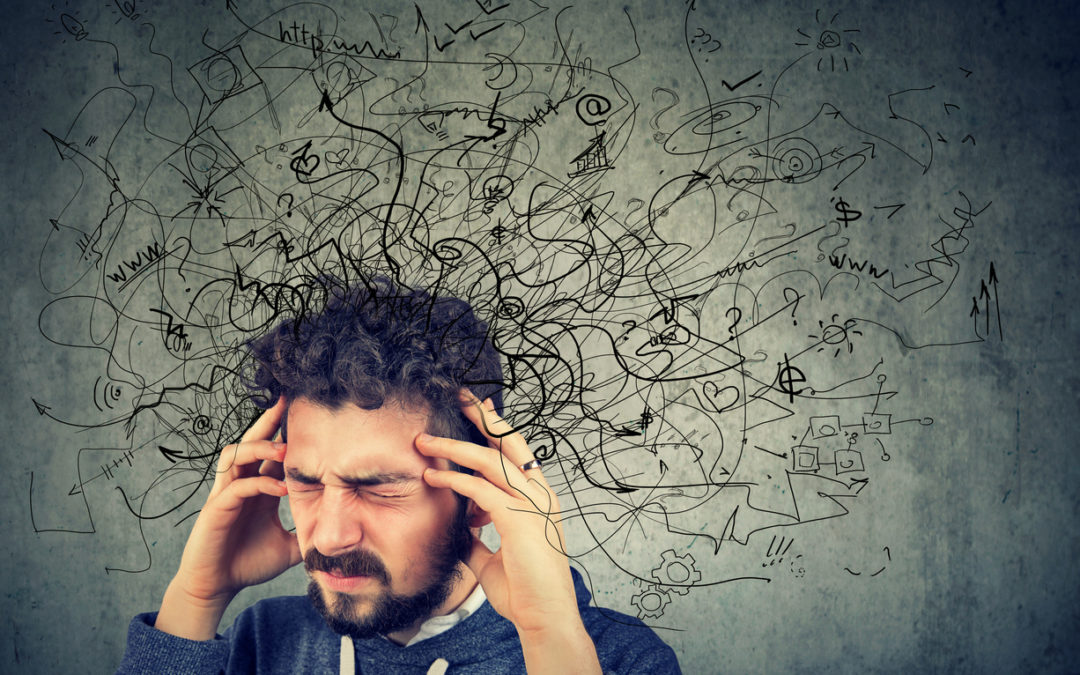
Antonio Forenza lost 40 pounds using his Apple Watch to count steps and track calories. But when stress started crushing him at work—he ran R&D for Rakuten Symphony’s telecom division—he looked for a wearable to measure his mental state.
Nothing existed.
“I wanted to lose 40 pounds of stress,” Forenza says, “and realized there’s no wearable for that today.”
So he built one. Forenza used electroencephalogram(EEG) technology—the same brain-scanning method hospitals have used for over a century—to create Awear. The small device sits behind your ear and continuously tracks your brain waves throughout the day. The startup won the health category at TechCrunch Disrupt 2025’s Startup Battlefield 200 competition.
How Brain Waves Show Stress
Hospitals have used EEG to diagnose epilepsy and sleep problems for decades. Forenza and his team adapted medical-grade sensors into something you can wear every day. The device detects psychological stress by analyzing your brainwave patterns.
Beta waves are fast oscillations that happen when you’re alert and focused. When these rapid waves don’t stop for hours or days, you’re stressed. The kind of stress that exhausts you, ruins your sleep, and burns you out. Awear sends your brainwave data to an app that provides AI coaching on managing stress and building better responses.
“Our brain is phenomenal at self-adjusting and makes us believe we are not that stressed,” Forenza explains. “It’s fine to be in ‘fight or flight’ every once in a while. It’s part of our nature. But if you fall into the trap of constant ‘fight or flight’, then that leads to chronic stress, depression, and anxiety.”
Stanford University’s psychiatry department tests the device on elderly patients after surgery to catch confusion and disorientation. But Forenza wants to sell to regular people—especially startup founders, who make up most of the early buyers and are famously stressed out.
The company closed a pre-seed round earlier in 2025 from Hustle Fund, Niremia Collective, Techstars, and The Pitch Fund. They plan to raise $5 million in early 2026, then launch on Kickstarter. Peloton and Oura Ring used the same strategy.
You can get Awear now through early access for $195, which includes the app for life. After the seed round, they’ll open a Kickstarter campaign.
Stress Shows Up in More Than Just Beta Waves
Most stress monitors only look at elevated beta waves. But recent brain research shows stress is more complicated than that. Stress and anxiety also show up in high alpha frequency ranges.
Alpha waves usually range from 8 to 12 Hz when you’re relaxed but awake. When alpha frequencies rise and stay elevated, they align with trauma responses. Brain scientists now see high alpha activity as a sign of what they call the “You can get Awear now through early access for $195″—everything from mild to moderate stress to severe PTSD.
Covert Trauma: Hiding in Plain Sight
Mild trauma causes occasional high alpha spikes that go away in days or weeks. Intermediate trauma creates lasting high alpha patterns for months, along with hypervigilance, insufficient sleep, and mood swings. Severe trauma locks in high-alpha signatures that resist standard treatment.
Studies link elevated alpha frequencies to specific mental states: constant worry, rumination, emotional numbness, and dissociation. Beta waves show an overactive “fight or flight” response. High alpha patterns suggest your nervous system is stuck—not fully engaged, not entirely at rest.
Brain Changes After COVID
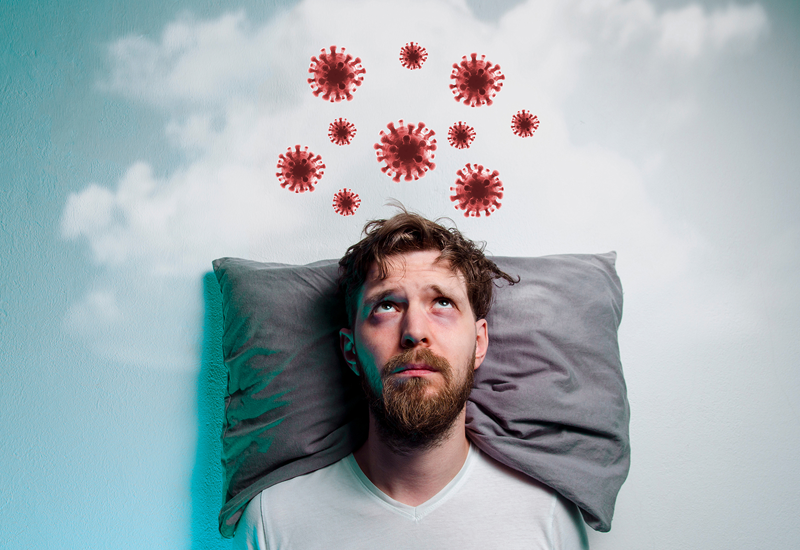
Brain labs around the world report the same thing: high-alpha EEG markers have spiked since COVID-19 ended, in adults, seniors, kids, and teens, across countries and income levels.
Adults working from home exhibit persistent high alpha patterns linked to isolation and blurred boundaries between work and life. Seniors cut off from family for months display similar signatures, often with signs of cognitive decline.
Long-Term Pediatric Issues
The worst data comes from kids and teenagers. Pediatric sleep clinics see high alpha activity in young patients at levels they’ve never seen before. Too much screen time during lockdowns, disrupted social development, online school pressure, and constant low-level stress about family finances and health created what some researchers call a “lost generation” in nervous system development.
Before the pandemic (2018-2019 studies), about 8-12% of teens showed high alpha activity during acute stress, such as exam weeks and family problems. After 2020, that number jumped to 35-40% of teens and young adults. Many show no improvement years later.
Talk Therapy: No longer Effective
Youth mental health centers report more anxiety disorders, panic attacks, and insomnia that don’t respond to treatment. The link between elevated high-alpha activity and these problems suggests that the nervous system got stuck in stress mode.
A 2024 study of 2,400 teenagers across six countries found high alpha EEG markers in 38%—more than triple the rate before COVID. Six months later, 73% of affected kids still had the same patterns. Their nervous systems weren’t healing on their own.
Sleep Recovery Fights Back With Neurofeedback
Sleep Recovery, Inc. attacks the post-pandemic mental health crisis through targeted biofeedback training.
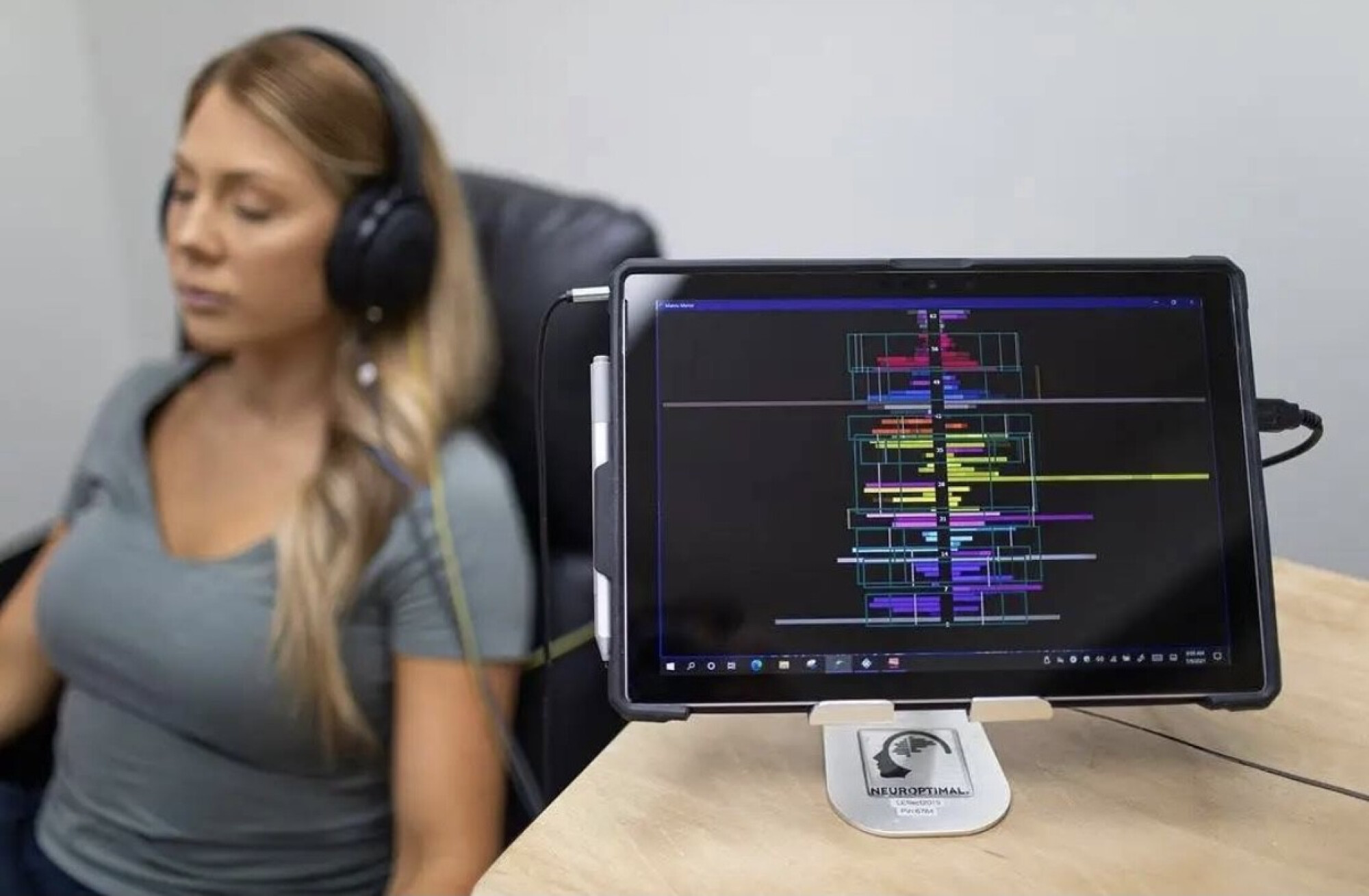
Their method: neurofeedback training. Clients learn to recognize and change their own brain wave patterns. Unlike passive monitoring, Sleep Recovery’s neurofeedback creates a loop: your brain can see its own activity in real time and learn techniques to shift from stressed states to healthier ones.
The protocols target both high-beta and high-alpha frequencies. You can’t fix stress by focusing on just one type of brain wave. Sessions run 27-30 minutes.
The training teaches your nervous system to be flexible, to shift between states instead of staying locked in chronic stress. After 8-12 sessions, most people recognize their stress responses better and have fundamental tools to manage them.
“We’re not just treating symptoms,” says Dr. Jefferey Wilson, Sleep Recovery’s clinical director. “We’re retraining nervous systems that learned bad patterns during a global crisis. These kids and young adults need more than medication; they need to rebuild their capacity for nervous system regulation.”
Consumer Tech Meets Clinical Treatment
Devices like Awear and programs like Sleep Recovery tackle the same problem from different angles: making brain-based stress management work outside hospitals and labs. Awear gives individuals continuous monitoring. Clinical neurofeedback programs treat populations with serious stress patterns.
Together, they address what many experts call a public health crisis. Post-pandemic stress moved past temporary disruption into lasting nervous system problems affecting millions of people.
Brain wearables can spot early warning signs before stress becomes chronic. Clinical neurofeedback can reverse established patterns and restore healthy function. One prevents, one retrains.
The technology is still young. Consumer EEG devices struggle with accuracy, battery life, and the eternal wearables problem. People buy them but stop using them after a few months.
Simple Monitoring: Easy Access
Forenza’s path from stressed executive to neurotechnology entrepreneur captures where things are headed. Personal health tracking evolved from counting steps to measuring brain waves. Mental health treatment moved past just prescribing pills to include neurofeedback training. The stigma around stress management fades as successful professionals talk openly about their mental health.
“It gives you a lot of visibility, and it’s a good way to acquire customers,” Forenza says about the planned Kickstarter campaign, following the path other successful wearables took.
But past customer acquisition and business strategy, brain wearables and neurofeedback programs share a bigger goal: making nervous system health as measurable, trackable, and manageable as physical fitness. Just like Forenza lost 40 pounds by tracking daily activity, millions of people might learn to “lose 40 pounds of stress” by monitoring and training their brain waves.
Moving Forward
The post-pandemic mental health situation demands new tools. EEG technology from decades ago, adapted for everyday use and paired with accessible neurofeedback training, might finally deliver on that promise.