Sleep and Brain Function Loss: The Hidden Link Nobody’s Talking About
Insomnia will cause roughly 450,000 new dementia cases this year in the United States. Just pause on that number for a second. That’s bigger than the entire population of Miami. Gone. Memories erased. Personalities dissolved.
Researchers crunched data from nearly 6,000 people over 65 and landed on a stark calculation: 12.5% of all dementia cases trace back to one thing—chronic inability to sleep. Published in The Journals of Gerontology this past March, the study puts insomnia right up there with hearing loss as a modifiable risk factor. Meaning we can actually do something about it.
But here’s where it gets interesting. Most doctors still treat this like correlation – yeah, sleep problems and dementia show up together, what else is new? They’re missing the mechanism. The actual biological process that turns sleepless nights into brain damage.
Deep sleep crashes first. Everyone tracking dementia knows this. Slow-wave sleep disruption shows up years, sometimes decades, before obvious memory problems. What researchers keep missing? Gamma brainwave activity collapses right alongside it.
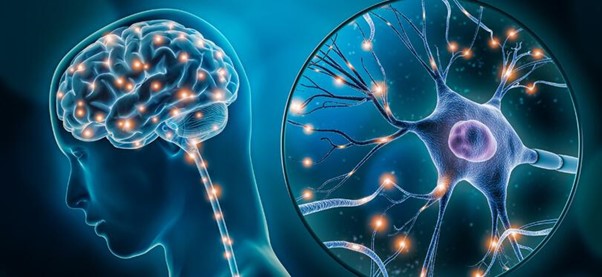
And gamma waves aren’t just some electrical noise your brain makes. They’re the cleaning crew. When gamma production tanks, your brain loses its ability to clear toxic protein buildup. Beta-amyloid plaques. Tau tangles. All the garbage that strangles neurons and kills memory.
David A. Mayen figured this out before the mainstream research caught up. He’d been running Sleep Recovery, Inc. for about 5 of the last 17 years when he started noticing the pattern in Alzheimer’s clients. The ones with destroyed sleep architecture? Their gamma activity had flatlined, too.
So he tried something nobody else seemed to be doing. What if you could teach a deteriorating brain to produce gamma waves again?
The retired police captain was 73. His family had placed him in a locked memory care facility after he became too dangerous to keep at home. Non-verbal. Combative with staff. Sleep completely shattered – no circadian rhythm, no recognizable sleep stages, just random fragments of unconsciousness scattered across 24 hours.
It’s the point where conventional medicine writes people off. Late-stage Alzheimer’s. Nothing to be done except manage symptoms and wait for the inevitable.
His family brought David into the facility anyway—last resort territory.
Nine sessions of gamma training later, the staff at his facility started noticing changes. He was sleeping at night. Actually sleeping, not just the fitful half-conscious state he’d been stuck in. His circadian rhythm was stabilizing.
Then the language started coming back. Single words first. Then short phrases. Within weeks, he was speaking full sentences and – this is the part that stunned everyone – he could remember his family members’ names again. Information that seemed permanently erased from his brain just… returned.
The moment that crystallized how much function had come back happened at lunch with his son. They’d gone out to eat, something that would have been impossible a month earlier. His son asked what he wanted.
The old man paused. You could see him thinking, searching for the answer. After about a minute: “A root beer float.”
His son had to pull the car over. He sat there crying, trying to process what just happened.
That was his father’s favorite dessert. Had been for decades before Alzheimer’s stripped away everything that made him who he was. This caveat wasn’t just a matter of language returning; it was a preference. Memory. Personality emerging from what everyone assumed was destruction.
The Science Behind What Happened
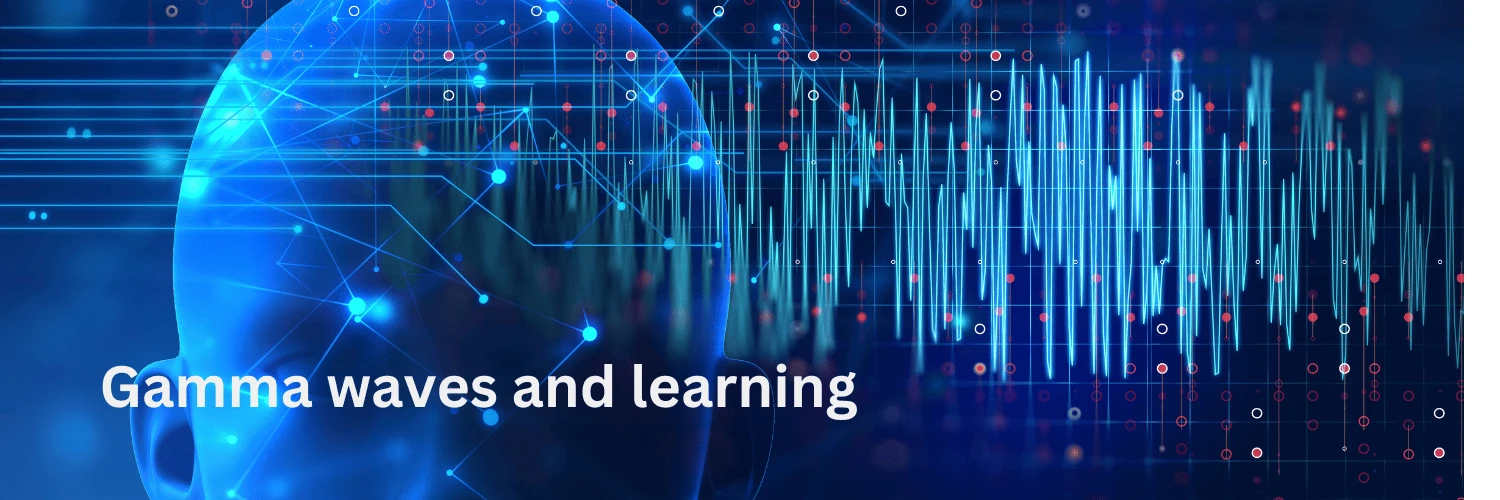
MIT’s been studying gamma wave stimulation for years now. Li-Huei Tsai’s research team began with mouse models of Alzheimer’s disease, exposing them to LED lights flickering at 40 Hz. That frequency entrains gamma wave production in the brain.
Results? Beta-amyloid plaque levels dropped 60% within one hour. One hour.
The light stimulation kicked microglial cells – the brain’s immune system – into high gear. These cells had been part of the problem, stuck in inflammatory states that damaged neurons. Gamma stimulation flipped them back to their actual job: clearing metabolic waste and toxic protein deposits.
Follow-up studies combined auditory and visual stimulation at 40 Hz. Effects showed up across multiple brain regions – hippocampus, prefrontal cortex, and areas critical for memory and executive function. Mice showed better memory performance. Reduced inflammation. Preserved neuronal density even in advanced disease states.
Human trials are still early, but they’re replicating the key findings—reduced brain atrophy. Improved sleep quality. Better cognitive scores. Slower functional decline. In one study, patients receiving real gamma stimulation showed an 84% slower decline in daily living activities compared to controls and a 61% reduction in the rate of brain atrophy.
Here’s why this matters for understanding the police captain’s recovery.
When you restore gamma oscillations in a compromised brain, several things happen at the cellular level. Microglia shift from inflammatory states to active debris clearance. They start clustering around amyloid deposits and actually clearing them. Studies show a measurable reduction in plaque burden.
Synaptic connections strengthen. Gamma rhythms coordinate the precise timing neurons need to communicate effectively. When gamma activity increases, synaptic density improves. The brain literally rebuilds connection networks that neurodegeneration had torn apart.
Blood flow increases to affected regions. Better perfusion means better oxygen delivery, better nutrient supply, and better waste removal. Brain tissue that had been starved starts functioning again.
And sleep architecture normalizes. This increment creates a virtuous cycle. Better sleep supports gamma production. Gamma production supports the cellular mechanisms that maintain healthy sleep: round and round.
The retired police captain’s brain hadn’t completely lost the ability to produce gamma oscillations. It had lost the stable conditions required for those processes to work reliably. Gamma training restored enough stability for his brain’s remaining repair mechanisms to kick back in.
Metabolic waste that had been choking neural function got cleared. Synaptic connections that were damaged but not destroyed recovered function. Sleep architecture improved, supporting cellular repair processes that occur during deep sleep. Gradually, neural networks came back online, bringing memories, language, and personality with them.
Nine sessions marked the point at which improvement began to show outwardly. Over a period of 20 sessions, the Captain continued to show improvement in other areas of his life. Neurofeedback creates learning that persists. The brain doesn’t just experience healthy gamma activity during training – it learns to reproduce that activity on its own. Each session makes the pattern more stable, more automatic, more integrated into default functioning.
It just might explain why changes often appear suddenly. The brain rebuilds capability incrementally, but you might not see functional changes until enough neural infrastructure has recovered to support actual behavior. Then overnight, speech returns. Memory surfaces. The person you thought was gone reappears.
The Population-Level Disaster Nobody’s Addressing
Those 450,000 annual dementia cases from insomnia aren’t just a correlation. They’re cumulative damage from years of suppressed gamma activity.
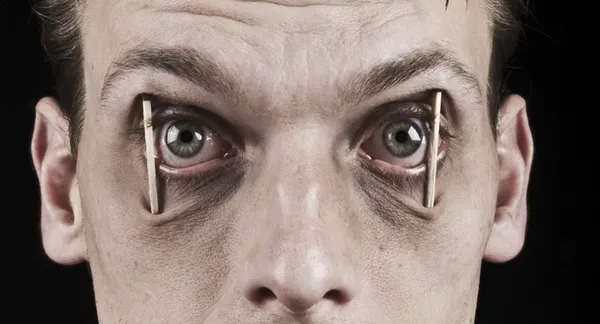
Chronic insomnia means your brain spends less time producing gamma oscillations, which are required to clear metabolic waste. Night after night, cellular garbage piles up. Synaptic connections weaken. Neural networks lose coordinated firing patterns that gamma rhythms enable.
Studies confirm this. Weaker gamma responses to visual stimuli predict cognitive impairment and Alzheimer’s years before obvious memory problems emerge. By the time someone meets clinical criteria for dementia, their gamma production has been compromised for decades.
Now add institutional sleep deprivation. Shift work fragments sleep architecture. Economic stress elevates cortisol, disrupts sleep onset, and degrades sleep quality. Social media hijacks evening attention, disrupts sleep timing, and shortens total duration.
The effects compound into exactly the gamma suppression pattern that accelerates Alzheimer’s pathology. At scale. Across millions simultaneously.
But fixing sleep requires dismantling economic and social structures, making adequate sleep impossible for huge population segments, but it’s not happening. Individuals need interventions that work despite a hostile environment.
What Actually Changes Brains
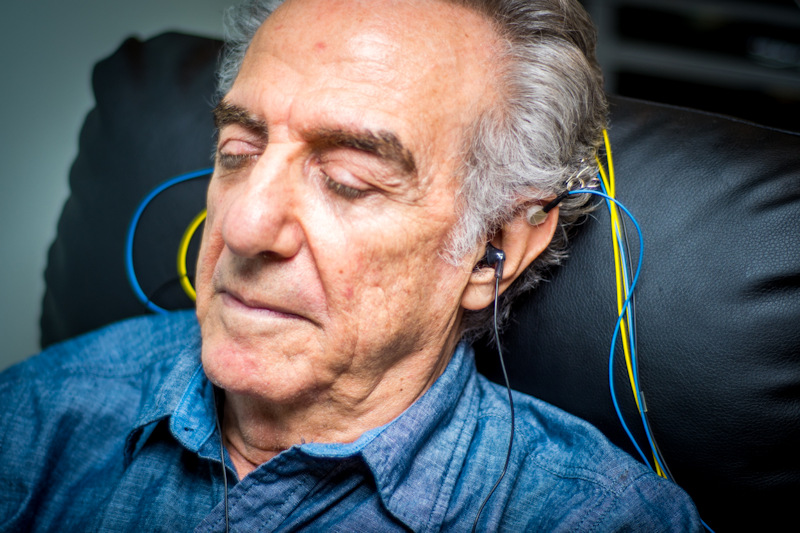
The gamma training protocol doesn’t look like a typical brain intervention. No medication. No surgery. No forced stimulation.
It’s an invitation. Neurofeedback presents the brain with a target – here’s what healthy gamma looks like – and creates conditions where the brain can learn to reproduce it. Teaching, not allopathically treating.
Why this matters is that most dementia interventions try to force improvements in systems that have lost the capacity to respond. You can’t bully a deteriorating brain back. Sometimes you can coax it.
Even severely compromised brains retain neuroplasticity. MIT showed this in mice with advanced pathology. Human trials confirmed it in patients with measurable impairment. Mayen’s practice documented it in late-stage cases that medicine wrote off.
The police captain’s brain hadn’t completely lost its ability to produce gamma, maintain connections, or clear waste. It lost the stable conditions required for those processes. Gamma training restored stability. Brain’s remaining repair mechanisms kicked back in.
Alpha-theta neurofeedback shifts the nervous system from sympathetic overdrive into parasympathetic states compatible with sleep—addressing hyperarousal and preventing sleep onset.
Gamma training targets oscillatory patterns supporting memory, cognition, and cellular cleanup during sleep. It helps the brain rediscover gamma production, addresses sleep deficits, and reduces the risk of dementia.
Brainwave entrainment provides an external structure that destabilized thalamic systems can sync with. The thalamus coordinates sleep-wake cycles and gamma rhythms. Getting it back online improves both.
This approach worked for over 17 years and with 4,000+ clients because it addresses neurological problems, not symptoms. Sleep meds force sleep without fixing dysregulation. Stimulants mask fatigue without restoring function. Standard interventions compensate for damage without addressing cellular processes driving deterioration.
The Research Gap
Clinical evidence from gamma training is primarily in the form of case reports rather than controlled trials. Mainstream research privileges large randomized trials over individual observations, regardless of how dramatic the latter are.
But MIT research and clinical trials provide the mechanistic foundation. Animal models show cellular changes. Human trials show measurable benefits. Case reports show what happens with real patients in real-world conditions.
What’s missing? The large-scale study that would change treatment protocols across the field.
That study needs to track gamma activity, sleep architecture, and cognitive function simultaneously over time. It should include patients at all disease stages – preclinical through late-stage. Most trials focus on early-stage patients, potentially missing those who could benefit most.
A direct comparison of gamma training, pharmaceutical interventions, and combination protocols would clarify their effectiveness. New Alzheimer’s drugs work only in the early stages with modest benefits. Gamma training appears effective across stages with more dramatic improvements.
Meanwhile, 450,000 people per year develop dementia from insomnia, and millions more experience gamma suppression years before diagnosis. The burden accumulates while we wait for research infrastructure to catch up.

Research showing that insomnia causes 450,000 dementia cases annually should trigger an emergency response—instead, brief news coverage, then silence.
We’ve normalized institutional sleep deprivation. Half a million preventable dementia cases become an interesting statistic instead of a crisis. Underlying structures preventing adequate sleep remain untouched.
Individuals don’t need to wait for population solutions.
Neuroscience is clear. Gamma activity supports cellular mechanisms preventing dementia. Sleep restoration enables gamma production. Targeted training helps compromised brains rediscover healthy patterns.
The police captain went from non-verbal and combative to requesting his favorite dessert. Nine sessions addressing gamma deficit. Worked because it aligned with how gamma oscillations maintain brain health.
We built a society destroying sleep at scale, then document resulting dementia like the connection’s mysterious. It’s not. It’s mechanical. Poor sleep suppresses gamma. Suppressed gamma accelerates dementia processes. The mathematics are straightforward, even if politics aren’t.
References:
Iaccarino HF, Singer AC, Martorell AJ, et al. Gamma-frequency entrainment attenuates amyloid load and alters microglial phenotype. Nature. 2016 Dec;540(7632):230-235.
Martorell AJ, Paulson AL, Suk HJ, et al. Multi-sensory gamma stimulation ameliorates Alzheimer’s-associated pathology and improves cognition. Cell. 2019 Apr;177(2):256-271.
Chan D, Suk HJ, Jackson B, et al. Gamma frequency sensory stimulation in mild probable Alzheimer’s dementia patients: A feasibility study. PLOS ONE. 2022;17(12):e0278412.