CBTi for Veterans: Great for Insomnia But Not for PTSD?
How Behavior Modification Doesnt Address Trauma
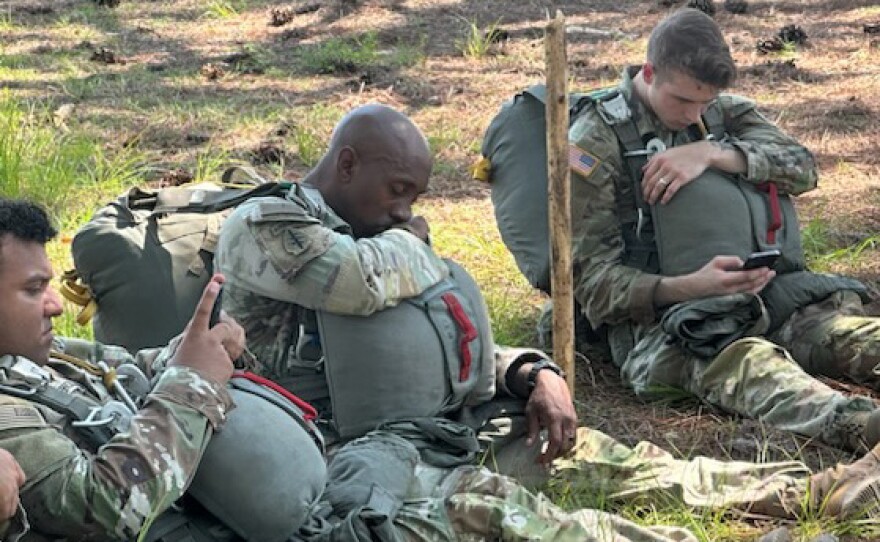
The numbers from the VA San Diego Healthcare System study are impossible to ignore: 57% of post-9/11 veterans enrolling in VA healthcare have insomnia disorder. That’s more than half of every veteran walking through VA doors, struggling to sleep night after night in a country that’s no longer at war.
The rates get worse when you look at specific conditions. Among veterans with PTSD, insomnia affects 93% of them. Nearly four out of every five veterans with traumatic brain injury can’t sleep. Seven out of ten people dealing with chronic pain spend their nights awake, watching hours tick by.
These aren’t just statistics. Their fathers are lying awake at 3 am. They’re young women who served in Afghanistan, now unable to quiet their minds long enough to rest. They’re people who did everything their country asked, now paying a price that compounds every single night they can’t sleep.
The VA study, published in the journal Sleep in 2020, examined over 5,500 post-9/11 veterans over seven years. The researchers found something troubling beyond just the prevalence numbers: previous studies using medical records had estimated insomnia rates of only 3% among veterans. The real number—57%—revealed a massive gap between what’s actually happening and what’s being documented.
Why the discrepancy? Many VA clinicians don’t see insomnia as a separate condition. They regard it as a symptom of something else—PTSD, pain, traumatic brain injury—and therefore don’t screen for it directly. Insomnia often doesn’t even appear in the patient’s health record as its own diagnosis.
This disconnect matters because when insomnia is treated only as a symptom rather than its own condition, the approach to treatment changes. And for veterans carrying trauma alongside sleeplessness, that distinction becomes critical.
What CBT-I Was Designed to Do
CBTi therapy for insomnia has become the standard first-line treatment recommended by VA clinical practice guidelines. The evidence supporting CBT-I for improving sleep behaviors is solid. Data shows it helps people fall asleep faster, stay asleep longer, and wake feeling better rested. Effects can last up to two years after treatment ends.
CBT-I works by addressing the behavioral and cognitive patterns that interfere with sleep. It teaches sleep restriction, where you limit time in bed to match actual sleep time, gradually building sleep pressure. It uses stimulus control, training people to associate their bed with sleep rather than wakefulness and worry. It restructures thoughts about sleep, challenging the anxious beliefs that keep people awake.
For someone whose insomnia stems from poor sleep habits, irregular schedules, or learned associations between bed and anxiety, CBT-I can be remarkably effective. The treatment directly targets the maintaining factors keeping insomnia alive long after whatever initially triggered it has resolved.
But here’s what CBT-I wasn’t designed to do: process trauma. Address hypervigilance. Calm an overactive amygdala. Resolve the neurological dysregulation that happens when someone’s brain gets stuck in survival mode after experiencing life-threatening events.
The Problem Veterans Actually Face
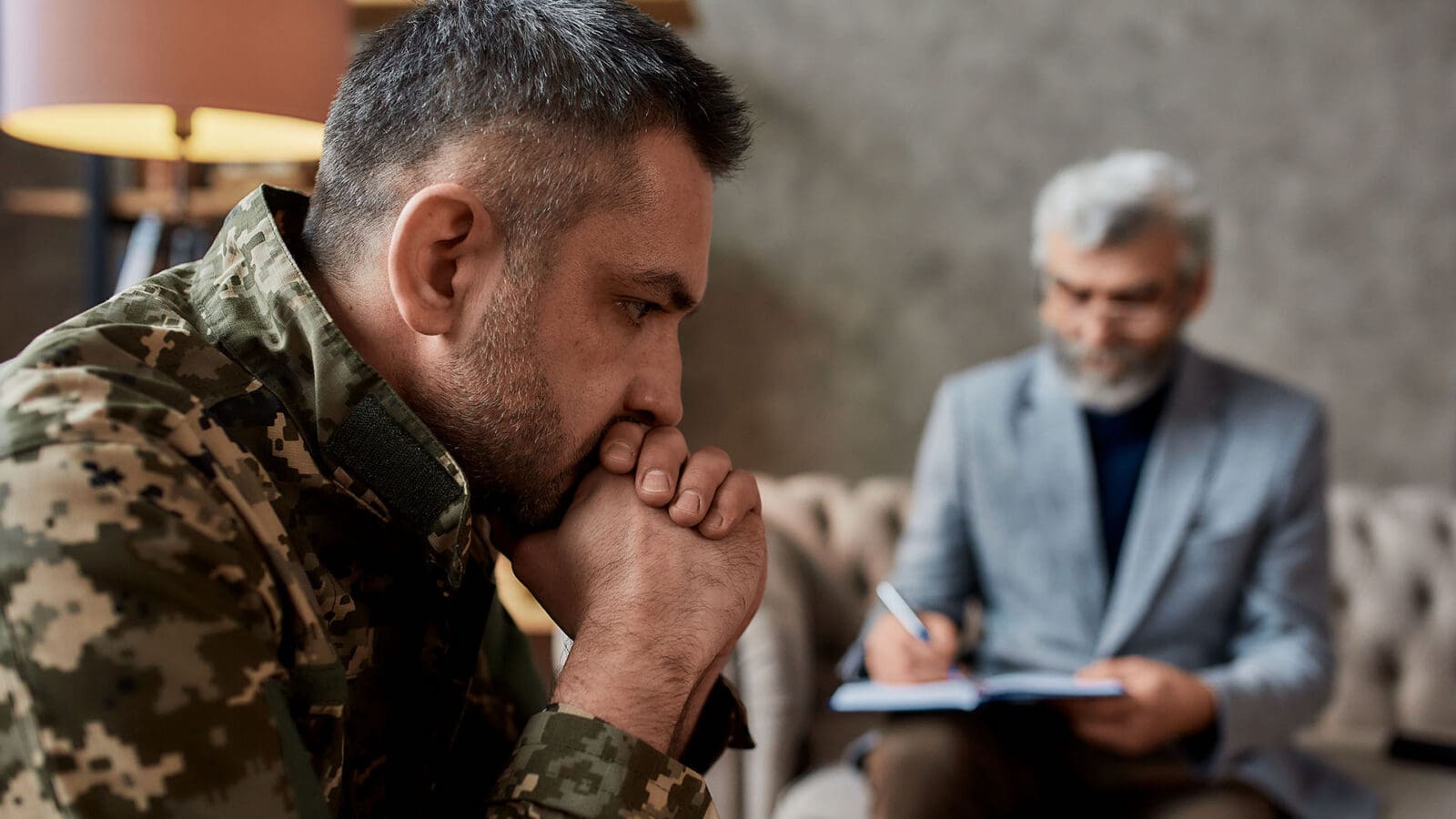
Look again at those numbers: 93% of veterans with PTSD have insomnia. That’s not a coincidence, and it’s not just about sleep habits.
When someone experiences combat trauma, witnesses death, survives an IED blast, or endures military sexual trauma, their brain’s threat detection system gets recalibrated. The amygdala—the brain’s alarm center—becomes hyperactive. The prefrontal cortex’s ability to regulate that alarm response weakens. The autonomic nervous system stays locked in sympathetic activation, keeping the body in a constant state of readiness for danger that no longer exists.
This auto-trigger isn’t something you can think your way out of. You can’t logic yourself into feeling safe when your limbic system is screaming that you’re under threat. Sleep restriction protocols and stimulus control strategies don’t address what’s happening in the deeper structures of the brain where trauma lives.
A veteran might learn all the right sleep behaviors through CBT-I. They might restrict their sleep window, get out of bed when they can’t sleep, avoid screens before bedtime, and keep a consistent schedule. They might do everything perfectly. And still lie awake at night because their nervous system won’t downregulate enough to allow sleep.
The hypervigilance doesn’t care about sleep hygiene. The startle response doesn’t respond to cognitive restructuring. The nightmares don’t stop because you’ve challenged your thoughts about sleep.
It’s the gap that leaves 93% of veterans with PTSD still unable to sleep, even when insomnia treatment is available. CBT-I addresses the behavioral and cognitive maintaining factors. It doesn’t address the neurological dysregulation driving both the trauma symptoms and the inability to sleep.
Why Battle Fatigue Needs a Different Approach
Research on neurofeedback for PTSD reveals something vital about how trauma gets stored and processed in the brain. A 2023 systematic review examined multiple studies on Alpha-Theta neurofeedback for trauma, including the landmark Penisten-Kolkoski protocol.
What they found was that alpha-theta neurofeedback training creates a specific brainwave state—a hypnagogic state where theta waves increase and alpha waves decrease. This state allows previously inaccessible traumatic memories to be revisited and resolved from a lower level of arousal.
Think about what that means. Traumatic memories aren’t stored the same way as normal memories. They get encoded during states of extreme stress and fear, when the brain is flooded with stress hormones and the prefrontal cortex has gone offline. Trying to process them through talk therapy or behavioral interventions requires bringing those memories back up while maintaining enough cognitive control to work with them, which is precisely what many trauma survivors can’t do.
The genius of alpha-theta training is that it accesses trauma material during a state of deep relaxation and safety. The person isn’t re-traumatized by the memory because their nervous system isn’t in fight-or-flight mode. The memory can surface, be processed, and get re-encoded in a way that no longer triggers the same alarm response.
In the studies reviewed, participants reported anxiety-free episodes during 26-month follow-ups. Flashbacks disappeared. Nightmares stopped. These weren’t people white-knuckling their way through better sleep habits—they were people whose brains had fundamentally changed how they related to their trauma.
But here’s the critical part that many practitioners miss: alpha-theta training needs to be done carefully, and only after the brain has been stabilized. Veterans who are still hypervigilant, whose nervous systems are still locked in chronic activation, can’t benefit from alpha-theta work. Without sufficient calming first, the training might trigger instabilities or even abreactions—a temporary worsening of symptoms as traumatic material surfaces without adequate regulation.
Sleep Recovery’s Two-Stage Approach
Sleep Recovery, Inc. uses a sequential protocol specifically designed for people carrying both insomnia and unresolved trauma.
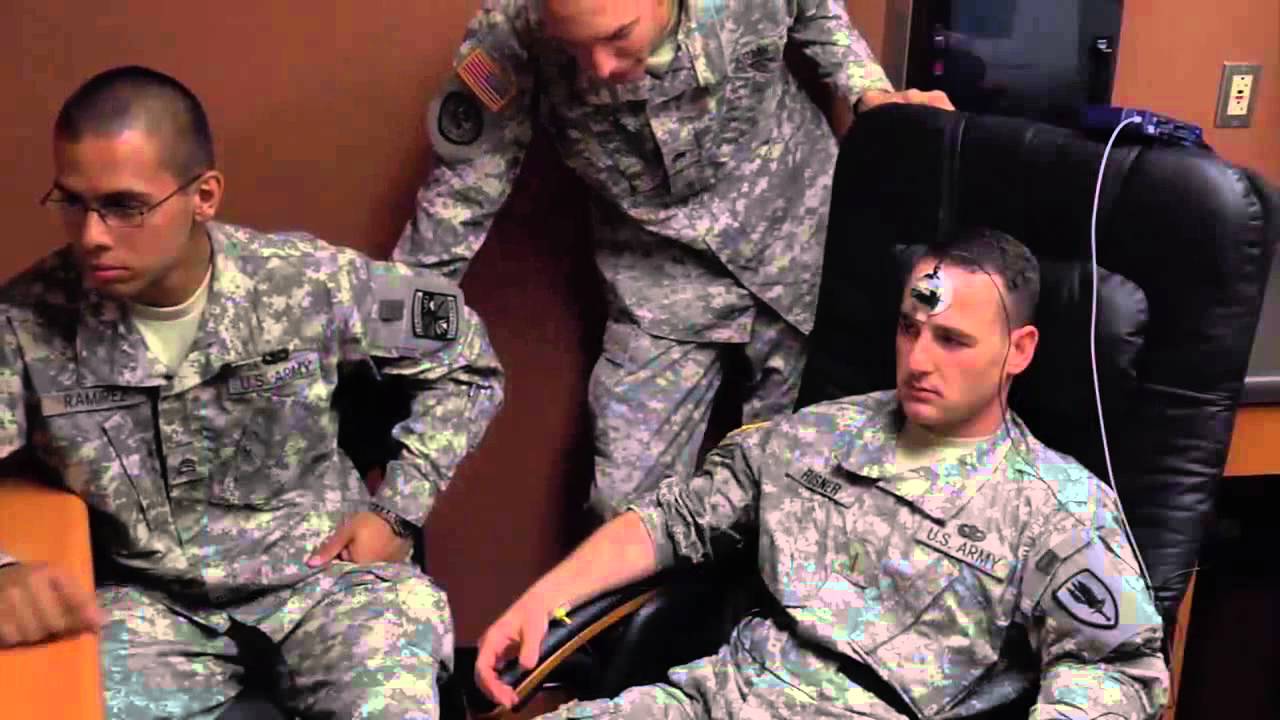
Stage one focuses on stabilization through brainwave entrainment. Before we touch trauma material, we need to calm the hypervigilance and bring the nervous system out of chronic sympathetic activation. We use targeted neurofeedback to train the outer neocortex—the areas responsible for regulation, executive function, and conscious control.
Jefferey Wilson, PhD, states, “We’re teaching the brain how to downregulate.” How to shift out of constant threat detection. How to achieve states of calm that have been inaccessible since the trauma occurred. We’re not talking about the trauma. We’re not processing memories. We’re giving the brain repeated experiences of what safety feels like, at the neurological level.
The program typically takes several weeks of consistent training. We see changes in sleep patterns during this phase—people start falling asleep more easily, staying asleep longer, waking less often from hyperarousal. But more importantly, we see changes in daytime functioning. The startle response diminishes. The constant scanning for threats eases. The jaw unclenches. The shoulders drop from around the ears.
Only once the foundation is established, once the brain has learned it can regulate itself, once the nervous system has experienced sustained periods of calm, do we move to stage two: alpha-theta training for trauma processing.
This is where we work with the limbic system and amygdala, the deeper brain structures where traumatic memories are encoded. Using the alpha-theta protocol, we guide the brain into that hypnagogic state where trauma material can surface safely and be processed without re-traumatization.
The person sits quietly, eyes closed, while sensors monitor their brainwave activity. As alpha and theta waves cross over—theta increasing, alpha decreasing—they enter a state that allows access to material that’s been locked away. Memories surface. Images appear. Emotions move through. But because the nervous system is now capable of regulation, because we’ve built that capacity in stage one, the person can be with this material without becoming overwhelmed by it.
Over repeated sessions, the traumatic memories get re-encoded. The associations change. What was once overwhelming terror becomes something that happened in the past, no longer holding the same charge. The nightmares lose their power. The flashbacks fade. The hypervigilance that’s been driving the insomnia finally releases.
What the Research Shows
The evidence for this approach comes from multiple sources. The Peniston-Kulkosky studies with Vietnam veterans showed dramatic results: participants had significant decreases in PTSD symptoms, depression, anxiety, and paranoia. During 30-month follow-ups, only three of fifteen neurofeedback-treated veterans reported disturbing flashbacks or nightmares. Fourteen out of fifteen were using significantly less medication.
In contrast, every veteran in the comparison group—who received standard medical care including medication and therapy—experienced an increase in PTSD symptoms during follow-up, and all required at least two additional hospitalizations.
More recent research confirms these findings. A 2023 systematic review examining neurofeedback for PTSD found that alpha-theta training led to substantial increases in brain synchrony between frontal and parieto-occipital regions, exactly the connectivity needed for effective emotional regulation and deeply embedded trauma processing.
Research also showed shifts toward normalization in the Default Mode Network and Salience Network, brain networks that are typically dysregulated in PTSD. These neurological changes correlated directly with decreases in PTSD severity and improvements in people’s ability to regulate their emotional responses.
This isn’t just symptom management. It’s a measurable change in how the brain functions.
Why Veterans Deserve This Option
The VA study’s lead researcher was clear about what the findings mean: veterans need better screening and treatment for insomnia. The current approaches aren’t reaching most people who need help, and when treatment is available, it often doesn’t address the whole picture.
For the 93% of veterans with PTSD who also have insomnia, offering CBT-I alone is like treating a broken leg by teaching someone to walk differently. You’re addressing the symptom without fixing what’s actually broken. The person might adapt their gait, might develop compensations, or might even reduce some of their pain. But the bone is still fractured, and until that’s addressed, true healing can’t happen.
Veterans who’ve served their country, who’ve experienced things most people can’t imagine, who carry trauma in their bones and nervous systems—they deserve treatment that goes after the actual problem. Not just sleep behaviors. Not just thought patterns. The neurological dysregulation is driving both the trauma symptoms and the sleepless nights.
We’ve been doing this work for 17 years. We’ve seen combat veterans who hadn’t slept through the night in a decade finally rest. We’ve watched hypervigilance, which has been constant since deployment, gradually ease. We’ve seen nightmares that have tormented people for years lose their grip.
Not through willpower. Not through better sleep habits. Through actually addressing what trauma does to the brain, and giving that brain the training it needs to heal.
If you’re a veteran struggling with both insomnia and unresolved trauma, you deserve to know this option exists. Contact Sleep Recovery, Inc. to learn whether our two-stage neurofeedback protocol is right for you.
Your service already costs you enough. Your sleep shouldn’t be part of that price.