Why Do I Wake Up Stressed? The Brain Circuit Nobody Knew About
Yes! They Finally Found it!
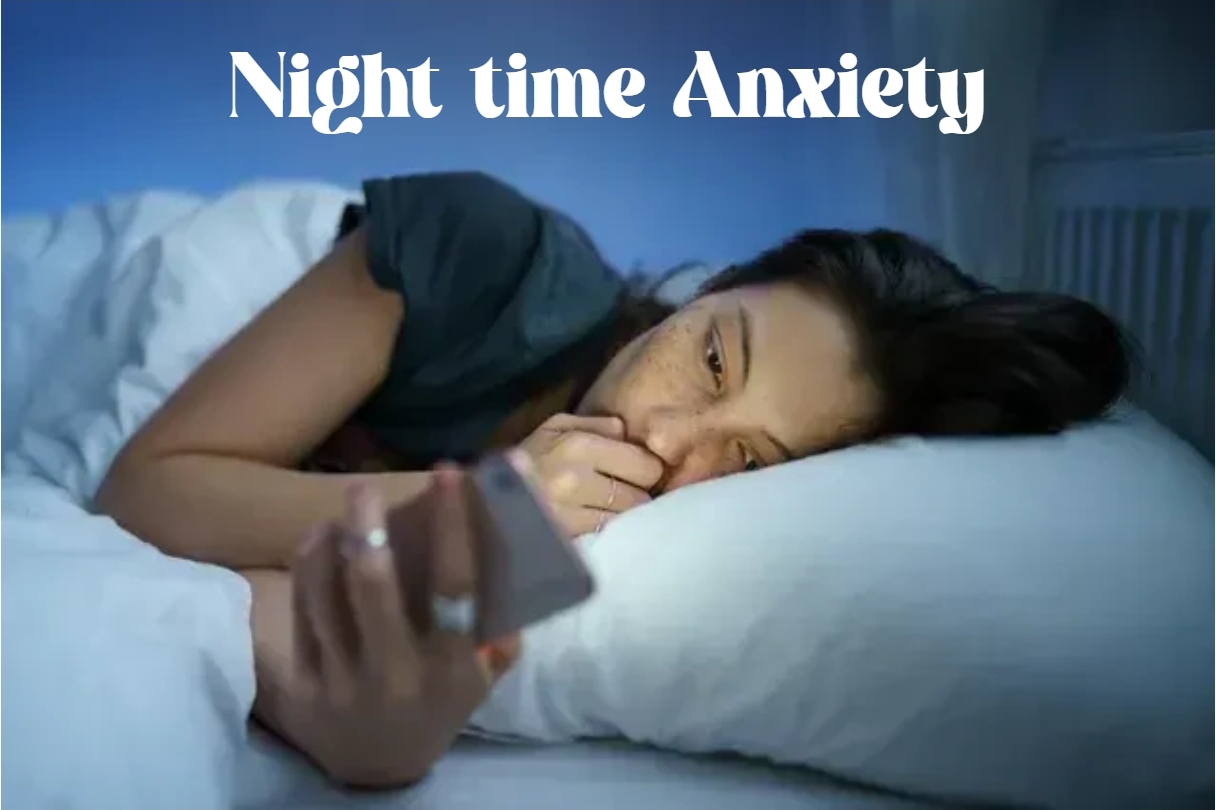
You’re asleep. Finally, having been lying there for an hour, you made it to that deep, dreamless state where your brain’s supposed to blissfully cleanse itself. Then something happens—maybe a door closes down the hall, maybe your phone screen lights up, and boom. You’re awake. Not groggy-awake. Fully alert, heart racing, like someone fired a starting pistol next to your head.
Most doctors will tell you it’s anxiety or light sleeping. Turns out there’s an actual circuit in your brain doing this, and researchers at the University of Tsukuba just mapped it.
The Hardware Behind the Problem
Your bed nucleus of the stria terminalis; Ummm, what? BNST for short sits in the ventral forebrain. Part of what scientists call the extended amygdala. Think of it as mission control for sustained threat responses. Not the quick “snake!” reaction, that’s your regular amygdala. The BNST handles the long-game stress. The kind that keeps you on edge for hours.
The Tsukuba team found where the BNST sends its wake-up signal: a tiny region in your midbrain called the deep mesencephalic nucleus (DpMe). When GABAergic neurons in the BNST fire, they activate glutamatergic neurons in the DpMe. Those DpMe neurons then blast arousal signals throughout your brain.
The researchers used optogenetics—basically, remotely controlling specific neurons with light—to test this in mice. They stimulated BNST terminals in the DpMe during non-REM sleep. Instant wakefulness. Every time.
Then they destroyed the glutamatergic neurons in the DpMe. Same BNST stimulation barely worked. The arousal response tanked. Without those DpMe neurons broadcasting the alarm, the stress signal died in transit.
Published in the Journal of Neuroscience, December 2024.
Why Your Brain Won’t Shut Up at Night
The BNST connects to everything: amygdala, hypothalamus, hippocampus, and basal ganglia. Between 11 and 18 distinct subnuclei, depending on how you count them. Each one has different neurons, different receptors, different wiring.
Men have about 2.5 times as much BNST tissue as women. Which probably explains some of the sex differences in anxiety disorders, though nobody wants to touch that topic with a ten-foot pole anymore.
Here’s the problem: your BNST should quiet down during deep sleep. In healthy brains, it does. But chronic stress breaks that regulation. The BNST stays active, scanning for threats, ready to hit the panic button at the slightest provocation.
Combat vets wake up to every sound. Trauma survivors never reach deep sleep. Anxiety patients lie there exhausted, brain firing on all cylinders, because their BNST won’t stand down.
The Medication Problem
Sleep meds flood your brain with GABA agonists. Makes everything drowsy. But the BNST-DpMe circuit can override that sedation when emotional stress kicks in. You take Ambien, fall asleep, then wake up two hours later anyway because your stress circuits don’t care about the medication.
Benzos work better because they suppress the BNST directly. But tolerance builds fast. You need more and more. Then, when you try to stop, rebound anxiety makes the whole problem worse. You end up with an even more sensitive stress system than you started with.
CBTi for insomnia helps some people. But the actual data from CBTi show that long-term follow-up effectiveness is dismal. Several studies have shown that the relapse rate back into pre-CBTi level insomnia is an astonishing 83% past 6 months. (It took me 4 hours of digging to find that stat; I wonder why?)
The Feedback Loop From Hell
Poor sleep increases emotional reactivity. You snap at people, feel anxious over nothing, and can’t regulate your mood. That heightened emotional state activates your BNST more. Which disrupts sleep worse? This dynamic makes you more emotionally reactive—round and round.
Insomnia predicts anxiety disorders. Anxiety disorders basically guarantee sleep problems. The statistics clearly show this bidirectional relationship, but until now, no one has explained the mechanism.
The BNST-DpMe circuit connects the dots. Emotional stress fires up the BNST. The BNST prevents sleep maintenance via the DpMe. Fragmented sleep sensitizes the BNST further. Both systems get more dysfunctional over time.
Neuroimaging confirms this. PTSD patients show overactive BNST connectivity. So do people with social anxiety, generalized anxiety disorder, and chronic insomnia. The structure gets trained into a state of permanent high alert.
What Actually Works
At Sleep Recovery, Inc., we’ve dealt with this pattern for 17 years. People come in describing the exact scenario that the Tsukuba research explains. Waking up instantly to miniscule sounds. Inability to fall back asleep. Feeling that, weird despite exhaustion.
Most have trauma histories. Or chronic stress. Or diagnosed anxiety disorders. The common thread: hyperactive stress circuits that won’t downregulate.
Alpha-theta addresses this at the root. You’re training brainwave patterns, not fighting symptoms with drugs. The alpha-theta protocol works particularly well for this type of insomnia because it directly targets hypervigilance.
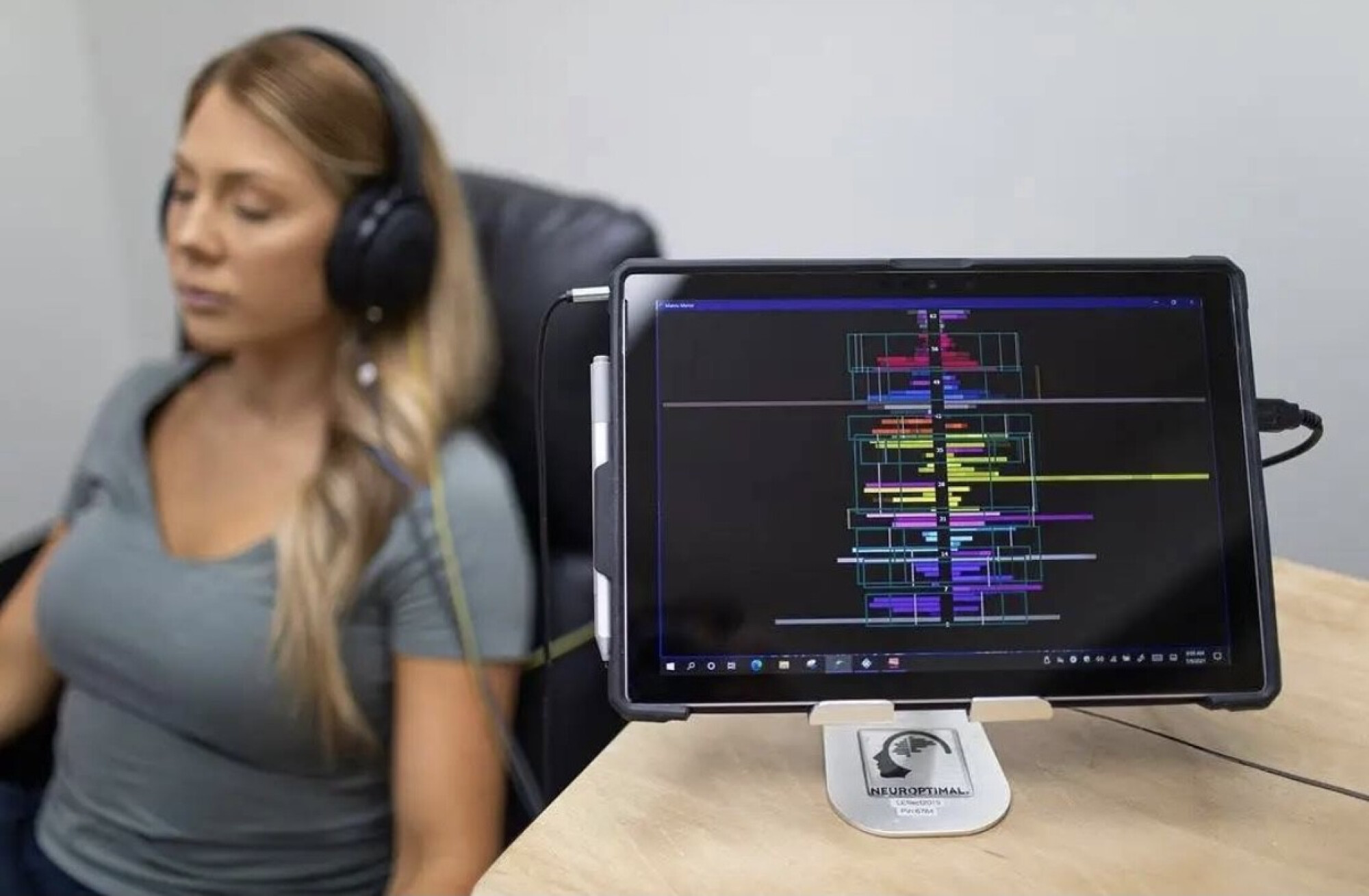
Sessions last 30 minutes and are usually held every other day. We put sensors on your scalp to monitor brain activity. You sit with your eyes closed, listening to audio tones that change in response to your brainwaves. When your alpha (8-12 Hz) and theta (4-7 Hz) activity increase, the tones become pleasant. Your brain learns from the feedback.
After about four sessions, most people notice less nighttime waking after a month or so. The constant hyper-vigilance starts fading. Sounds that used to trigger full arousal pass by unattended.
The Biology Nobody Takes Seriously
When people say “I can’t shut off my brain,” doctors often treat it like a psychological complaint. The Tsukuba findings prove it’s neurological. Your BNST activates, triggers your DpMe, and automatically overrides sleep-maintaining mechanisms—no conscious control involved.
You can’t think your way out of this. Can’t willpower yourself to sleep better. The circuit operates whether you want it to or not. Telling someone to “just relax” misses the entire point.
You need interventions that directly modify neural activity. Neurofeedback. Intensive meditation that actually changes limbic reactivity. Eventually, drugs that target the BNST-DpMe pathway specifically, instead of sledgehammering the whole brain with sedatives.

What the Research Means
Roughly 30% of adults have sleep problems. Stress and anxiety get blamed most often. But until you understand the specific circuits involved, you’re just guessing at treatments.
The BNST-DpMe pathway provides us with well-defined data. A specified neural route from emotional stress to physical arousal. That precision matters because now we can design interventions that target the actual problem.
Your ancestors needed this circuit. Instant arousal from sleep in response to threats kept them alive. But when the system runs 24/7, when every sound triggers full alertness, when daytime stress continues disrupting your rest hours later, the protective mechanism becomes the disease.
Neural circuits can change. They’re plastic. Retrainable. But it takes sustained work—months, not weeks. The nervous system learns slowly, but it does learn. Your stress circuits don’t have to control your sleep permanently.
The research continues. Teams worldwide are studying BNST function, identifying drug targets, and testing interventions. Each study adds another piece to the puzzle.
For now, knowing the circuit exists helps. When you wake up at 3 AM with your heart pounding, at least you understand what’s happening. Your BNST detected something—real or imagined—and hit the alarm. Your DpMe broadcast the wake signal. The whole system did precisely what evolution designed it to do.
The trick is teaching it to do something different. Thats preciecly what we do.
Want to learn more? visit https://sleeprecovery.net or call 800-827-2339