Astral Travel Meditation: A Contemporary View of the Twilight State
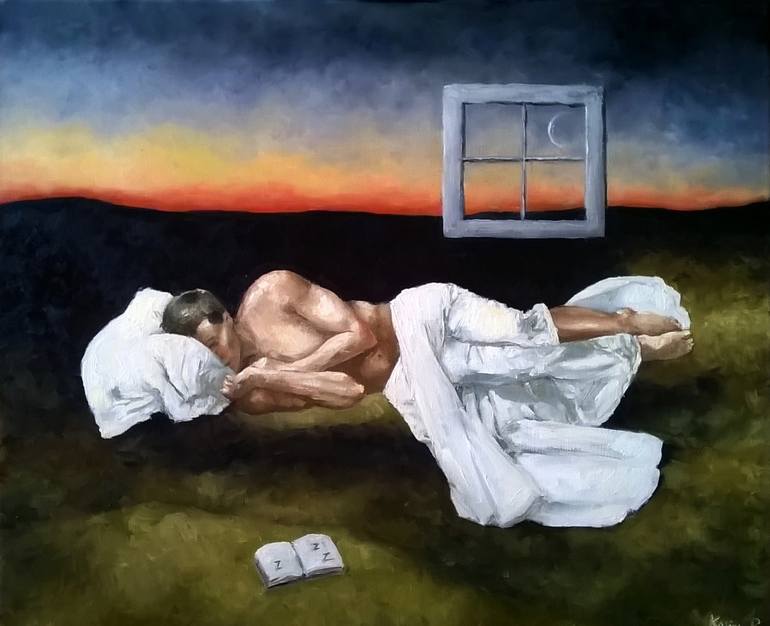
The weight of the day slowly lifts from your body. Sounds from the room begin to blur and recede. Then something strange happens. You see colors swirling behind your eyelids. Geometric patterns pulse and shift like a rat in movement. A voice speaks, though nobody is there. For a moment, you’re not sure if you’re awake or asleep, here or somewhere else entirely.
This liminal space between waking and sleeping has fascinated humans for thousands of years. Modern neuroscience calls it the hypnagogic state and studies it with EEG machines and brain scans. But long before scientists mapped brainwave patterns, mystics, philosophers, and spiritual teachers understood this twilight zone as something far more profound. They saw it as a gateway to other dimensions of reality, a training ground for consciousness, and a doorway to realms that exist beyond our ordinary perceptions.
Where Science Maps What Mystics Already Knew
When you begin drifting toward sleep, your brain doesn’t just power down like a computer switching off. It goes through a series of changes that neuroscientists are only now beginning to understand. The waves your brain produces shift from the quick beta waves of normal waking consciousness to the slower alpha waves of relaxation. Then, as you slip further, theta waves appear. These are the brainwaves associated with deep meditation, intuition, and that strange in-between state where anything seems possible.
Modern sleep researchers have documented what happens during these moments. People report vivid hallucinations, both visual and auditory. They hear voices calling their names. They see faces morphing in the darkness. They experience the sensation of falling or floating. Some feel a presence in the room with them. All of this happens in the space of a few seconds to a few minutes, that brief window before consciousness fully releases into sleep.
What scientists are mapping with their instruments is something spiritual traditions have worked with deliberately for centuries. The difference is in how they understand and use this state.
The Theosophical Vision: Consciousness Leaving the Body
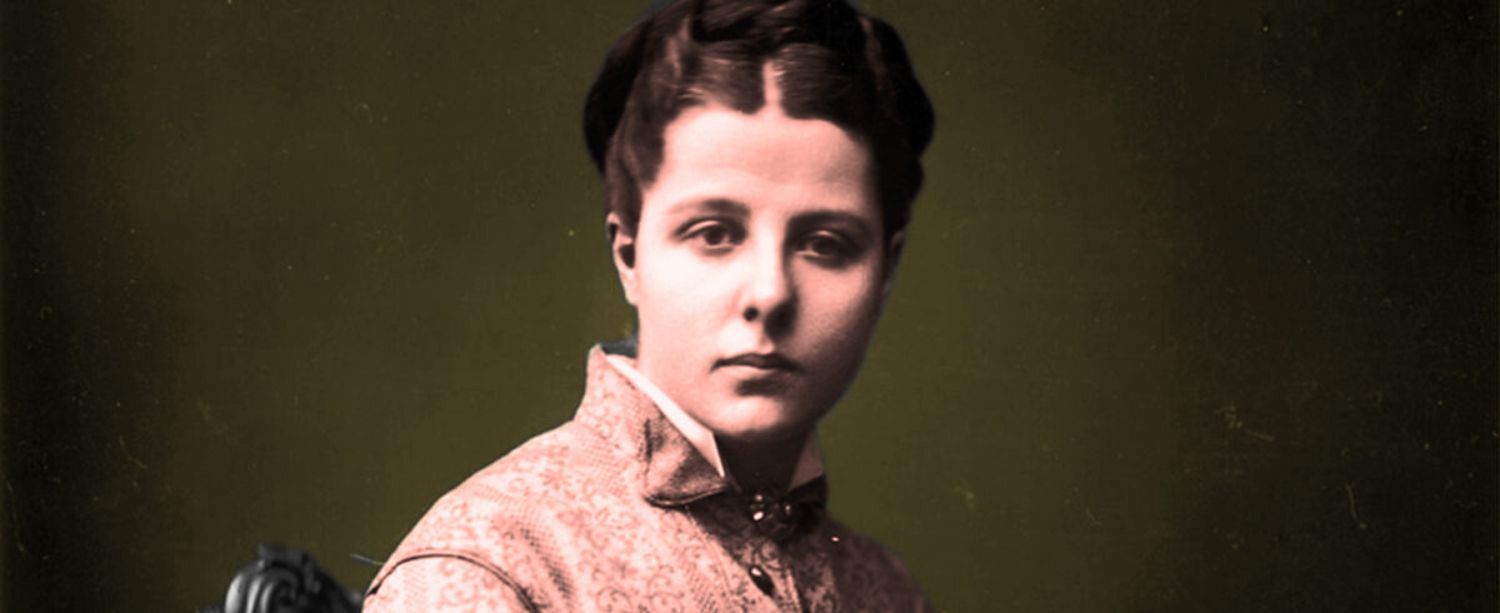
Annie Besant, the influential Theosophist and spiritual teacher of the late 19th and early 20th centuries, wrote extensively about what happens during sleep. Her framework offers a radically different view than modern neuroscience, one where the hypnagogic state represents an experiential detachment of consciousness from the physical body.
According to Besant’s teachings, humans exist as layered beings. The physical body is just the densest layer. Surrounding and interpenetrating it is the etheric double, a subtle energy body. Beyond that is the astral body, the vehicle of emotions and desires. And beyond that, the mental body and higher spiritual vehicles.
In sleep, Besant taught, the consciousness slips out of its physical and etheric casings, still clothed in the astral body. For most people, this happens unconsciously. They float in the astral realm, drifting through its currents like a sleeper caught in ocean waves, unable to direct their movement or fully aware of where they are.
The hypnagogic state, from this perspective, is the moment of transition. It’s when consciousness is beginning to separate from the physical body, but hasn’t entirely left yet. The strange sensations, visual patterns, and auditory phenomena are all signs that this separation is beginning. The astral body is loosening its tight connection to the physical, and consciousness is starting to function on a different plane.
Besant described different levels of development in how people experience this transition. Someone whose astral body is poorly developed will slip into unconsciousness quickly, with only fragmentary dreams reflecting random impulses from the physical and astral planes. But someone who has trained their consciousness can remain aware during the transition. They can deliberately enter the astral realm with full awareness, functioning there as clearly as they do in physical reality.
This wasn’t just abstract philosophy for Besant. She claimed that advanced practitioners could use sleep as an opportunity to learn, explore higher dimensions of reality, and develop capacities most people never access. The key was learning to maintain awareness during that twilight passage most people pass through unconsciously.
The Buddhist Perspective: Bardo as Eternal Now
Chogyam Trungpa, the Tibetan Buddhist teacher who brought Vajrayana Buddhism to the West in the 1970s, taught about bardo states in ways that both echo and expand traditional Tibetan teachings. While bardo is often associated with the transitions after death, Trungpa emphasized that these same states happen continuously in life.
Bardo literally means “between.” It’s the gap between moments, the space where one experience ends and another hasn’t quite begun. Trungpa taught that there are six types of bardo, including the bardo of dreams (the transition between waking and sleep) and the bardo of meditation (the gaps that appear in contemplative practice).
The hypnagogic state fits directly into Trungpa’s framework as a particularly accessible bardo experience. It’s that mysterious ground that belongs to neither waking nor sleep, a space where the typical structures of ego and consciousness begin to dissolve. For Trungpa, this wasn’t about traveling to another realm so much as recognizing the fundamental nature of consciousness itself.
In the bardo of falling asleep, Trungpa taught, there’s an opportunity to experience what he called “clear light” or pure consciousness. This happens when the ordinary discursive mind stops its constant chatter, and something more fundamental appears. Most people miss this entirely because they’re either still caught in thoughts or they’ve already fallen into unconsciousness. But with training, this moment can be extended and explored.
Trungpa’s teachings emphasized that these bardo experiences are not just interesting psychological phenomena. They’re direct encounters with the nature of mind itself. The hypnagogic state reveals how our usual sense of reality is constructed, how consciousness creates the experience of a solid world, and how that construction can dissolve and reform moment by moment.
The practical application wasn’t to achieve extraordinary experiences or travel to other realms, though that might happen. It was to use these transitional states as opportunities to recognize the fundamental emptiness and luminosity of awareness itself. Every time consciousness shifts from one state to another, there’s a gap, a space of pure potential. The hypnagogic state is one of the most accessible of these gaps.
The Western Mystery Tradition: Symbols Speaking in Dreams
Manly P. Hall, the early-20th-century writer on mysticism and esoteric philosophy, approached the twilight state from yet another angle. His work drew on Western mystery traditions, examining how consciousness processes symbolic information during sleep and in the transitions surrounding it.
Hall wrote prolifically about the function of sleep and dreams, emphasizing what he called “the symbolic language” that operates in these states. From his perspective, the hypnagogic state is when consciousness begins to shift from literal, rational processing to symbolic, intuitive understanding. The strange images and sounds aren’t random neural noise. They’re the mind starting to speak in its deeper language, the language of symbol and archetype.
This aligns with the widespread observation that many creative breakthroughs occur in the hypnagogic state. Salvador Dali famously used it to access surrealist imagery. Thomas Edison took brief naps specifically to capture hypnagogic insights. The reason, from Hall’s perspective, is that the symbolic mind is far more creative and integrative than the rational mind. It can make connections that logic would never reach.
Hall saw the progression toward sleep as consciousness moving through different levels of the psyche. The rational, everyday mind is the surface. Beneath it are layers that think in images, emotions, and archetypal patterns. The hypnagogic state is the doorway through which we pass from the upper levels to the deeper ones.
In his view, spiritual development involved learning to navigate these levels consciously. Most people plunge through the gateway unconsciously, emerging in dreams they barely remember. But with practice, you could learn to move deliberately through these transitions, maintaining a thread of awareness that connects waking consciousness to the deeper symbolic realms.
The Hidden Problem: Anxiety Blocking the Gateway
All of these perspectives, different as they are, agree on one crucial point. The ability to navigate the hypnagogic state consciously requires a nervous system that can actually relax deeply. You need to be able to let go of ordinary awareness without either clinging to wakefulness or dropping immediately into unconsciousness.
This is where most people run into trouble. The same hyperarousal and anxiety that prevents deep sleep also blocks conscious access to the hypnagogic state. Your nervous system is stuck in a state of alert. Even when you’re trying to fall asleep, part of your brain remains vigilant, scanning for threats, unable to fully release.
When the nervous system is locked in this pattern, the transition to sleep becomes either rushed or complicated. You might lie awake for a long time, unable to cross the threshold. Or you might drop off to sleep so quickly that you miss the twilight phase. Either way, you’re not experiencing that rich in-between space where consciousness becomes fluid, and other dimensions of awareness open up.
From Besant’s perspective, the astral body can’t properly separate because the physical and etheric bodies are too tense, keeping consciousness awareness locked in. From Trungpa’s view, the hyperaroused mind can’t find the gap because it’s too busy maintaining its defensive structures. From Hall’s angle, the symbolic mind can’t speak because the rational mind won’t let go of control.
All of these are different ways of describing the same fundamental problem. When your nervous system is chronically aroused, the gateway stays closed.
Training the Brain to Surrender
This is where Sleep Recovery’s deep brain anxiety protocol becomes relevant to these traditional teachings. The protocol works directly with brainwave patterns, using entrainment to help the brain access the slower frequencies associated with deep relaxation and the hypnagogic state.
Brainwave entrainment isn’t mystical in the way Besant’s astral travel is, or Buddhist in the way Trungpa’s bardo teachings are. But what it does is create the neurological conditions that all of these traditions say are necessary. It trains the nervous system to downshift from high-alert beta waves into alpha, then into theta, where the hypnagogic state naturally occurs.
The word that comes up repeatedly in the traditions is “surrender.” Besant talked about awareness needing to be released from the physical body. Trungpa emphasized capitulating to the ego’s constant grasping. Hall wrote about allowing the rational mind to step aside so the symbolic mind could emerge. All of them understood that you can’t force your way through this gateway. You have to learn to let go.
But for someone with deep brain anxiety, someone whose nervous system has been stuck in hyperarousal for months or years, surrender feels impossible. It feels dangerous. Every time you start to relax deeply, some part of your system pulls you back into alert mode. You can understand intellectually that you need to let go. You can want it desperately. But your nervous system won’t cooperate.
The deep brain anxiety protocol works with the nervous system directly, below the level of conscious control. Guiding the brain to specific brainwave frequencies associated with deep relaxation teaches the nervous system that it’s safe to downshift. Over time, through repeated sessions, the brain learns that alpha and theta states aren’t dangerous. It becomes easier to access these frequencies. The automatic pull back into hyperarousal weakens.
As this happens, the gateway starts to open. People report their experience of falling asleep changing. Instead of crashing into unconsciousness or lying awake for hours, they begin to notice the transition itself. That twilight zone becomes more accessible. They spend time in that in-between space, neither fully awake nor fully asleep.
This is where the protocol connects to what the traditions were teaching. Resolving the nervous system’s chronic arousal makes conscious navigation of the hypnagogic state possible. Whether you understand this as preparing the astral body to separate, as Besant would, or as finding the bardo gap, as Trungpa would, or as allowing the symbolic mind to speak, as Hall would, the practical effect is the same. You’re training the brain to surrender to the twilight state rather than resisting it.
What Opens When the Gateway Unlocks
People who have successfully trained their nervous systems to access the hypnagogic state consciously report remarkably consistent experiences across different cultural and theoretical frameworks. They describe a sense of the boundaries of self becoming fluid. Visual and auditory phenomena become more vivid and controllable. There’s often a feeling of presence or intelligence beyond their ordinary awareness.
Some frame these experiences through Besant’s lens and speak of astral travel, of exploring non-physical dimensions while their body sleeps. Others use Trungpa’s language and talk about recognizing the explicit light nature of the mind in the gaps between thoughts. Still others, following Hall’s approach, work with the symbolic imagery that appears, treating it as messages from deeper levels of consciousness.
The experience itself remains relatively consistent. What changes is how people understand and work with it. But all of them report that the key was learning to maintain awareness during that transition, which most people pass through unconsciously. And all of them emphasize that this became possible only after their nervous systems learned to actually relax deeply rather than maintain constant vigilance.
This is the practical value of understanding these older traditions alongside modern neuroscience. Science gives us tools to work directly with brain states in ways that weren’t available before. The traditions give us frameworks for understanding what becomes available when those brain states shift and how to work with the experiences that emerge.
The hypnagogic state isn’t just a neurological curiosity or a brief phase of fragmented imagery before sleep. It’s a doorway that’s been recognized for thousands of years across multiple traditions as an entry point to expanded consciousness. But it’s a doorway that stays locked for most people because of chronic nervous system arousal.
When that arousal is resolved, when the brain learns to surrender into theta frequencies and the nervous system discovers it’s safe to let go, the gateway opens. What you find there will depend on how you’re oriented, what frameworks you use to understand experience, and what you’re looking for. But the first step is always the same. Teaching the brain that it can safely enter that twilight zone between waking and sleep, neither clinging to one nor rushing into the other.
For more information on Sleep Recovery’s programs, please visit https://sleeprecovery.net. Please call 1-800-927-2339 to schedule a no-cost phone consultation.